
RFQ Preparation Checklist
- Strength requirements
- Operating temp
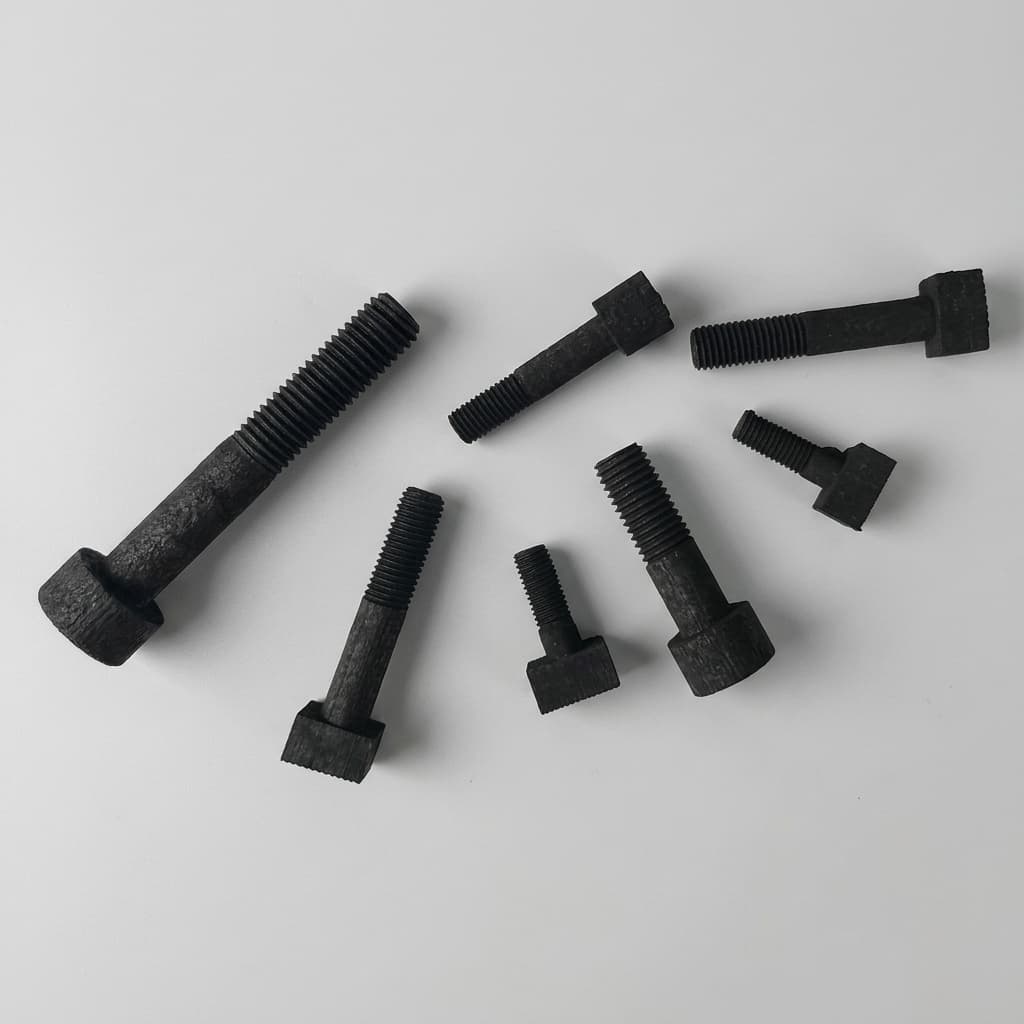
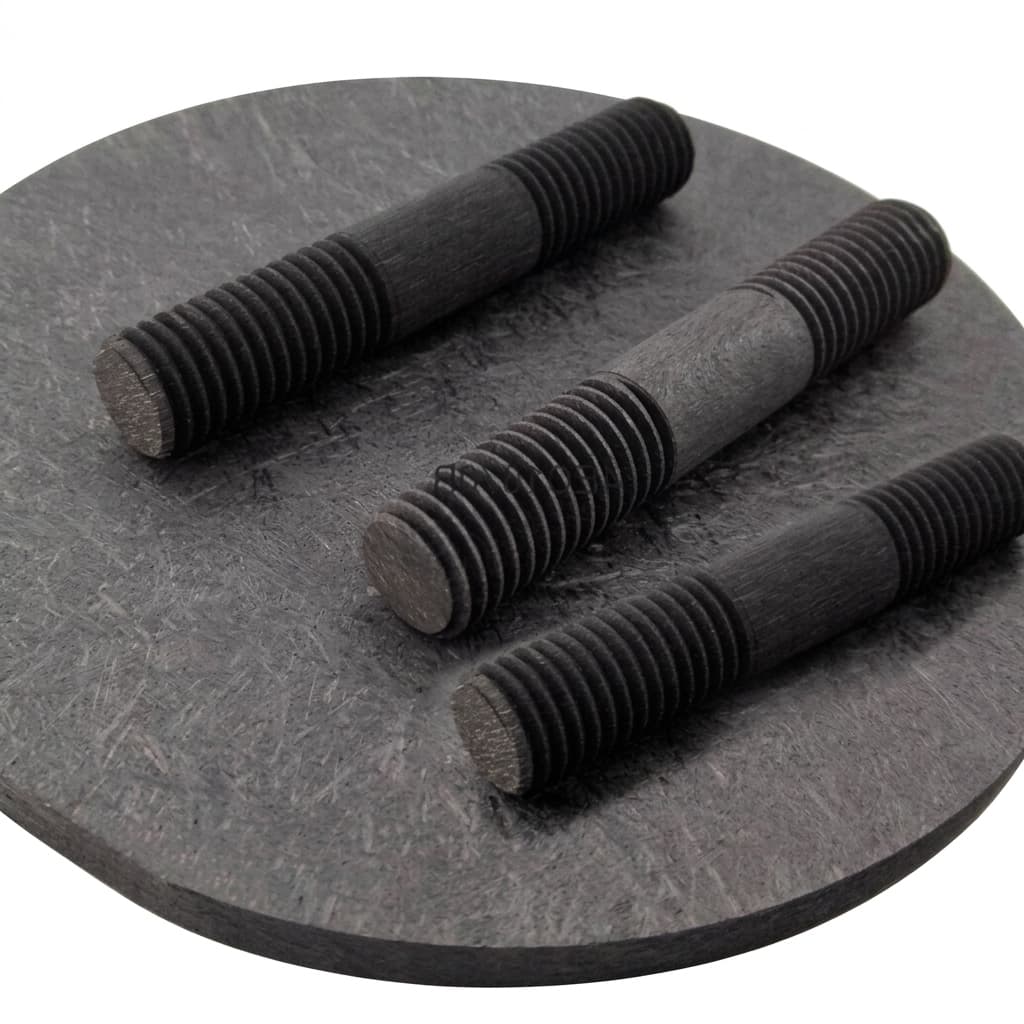
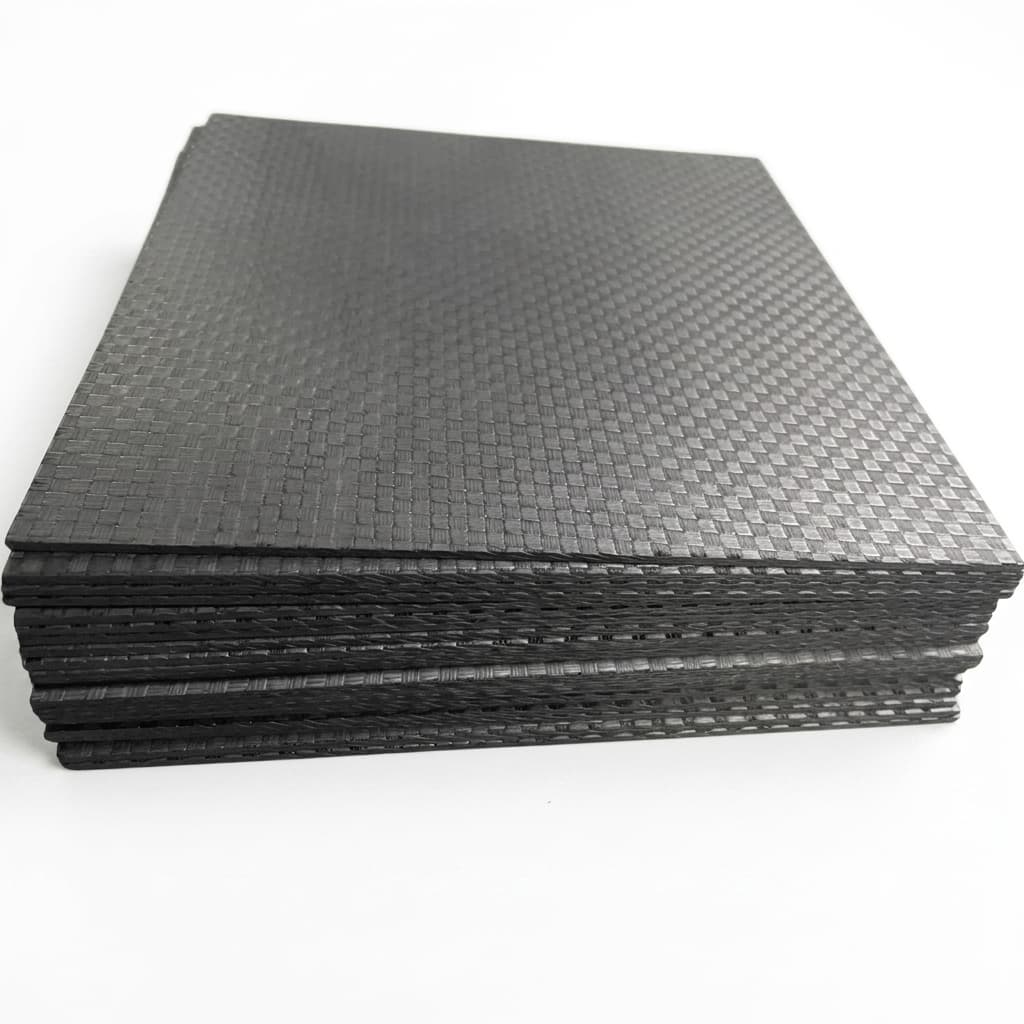
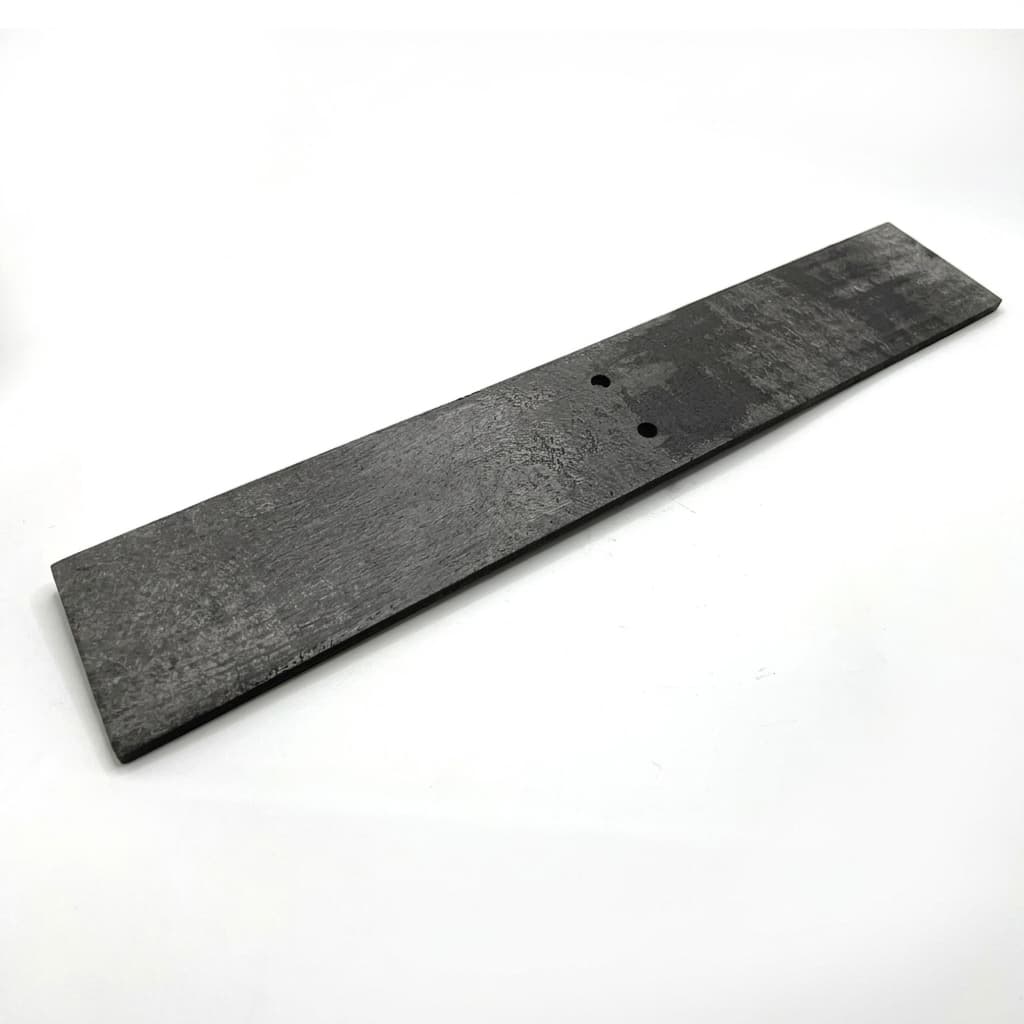
End-to-end fabrication of Carbon/Carbon composites, from fiber lay-up (2D/3D) to resin impregnation, carbonization, and final CNC machining.
| Program Metric | Typical Range | Procurement Value |
|---|---|---|
| Density | 1.4 - 1.7 g/cm³ | Balances strength and porosity. |
| Fiber Architecture | 2D or 3D C/C composite by load direction | Fiber orientation controls strength, thread retention, and long-term deformation. |
| Operating Atmosphere | Vacuum or inert gas; oxidation protection if required | C/C composite strength is excellent at temperature, but oxygen exposure must be managed. |
| Load Case | Static load, fixture spacing, and thermal-cycle count | Tray sag, bolt shear, and creep risk depend on the real support condition. |
| Decision Factor | Selection Logic | Buyer Check |
|---|---|---|
| Load at temperature | Choose C/C composite when graphite is too brittle or molybdenum adds too much thermal mass. | Provide load, support spacing, furnace temperature, and cycle count. |
| Fiber architecture | 2D C/C can fit plates and trays; 3D architecture is preferred for multi-directional stress and threads. | Clarify bending direction, thread engagement, and any fastener preload. |
| Oxidation boundary | C/C composite is strongest in vacuum or inert environments; oxygen exposure needs protection. | Share atmosphere, leak risk, cleaning practice, and cooldown handling. |
| Stage | Production / QC Checkpoint | Buyer Evidence |
|---|---|---|
| 1. Load-case review | Define temperature, support spacing, fastener preload, tray load, and cycle count. | Application sketch, fixture drawing, load estimate, and atmosphere notes. |
| 2. Fiber architecture | Choose 2D or 3D C/C blank according to bending, shear, and thread loads. | Material route with density and architecture recommendation. |
| 3. Densification and machining | Process C/C blank, then machine threads, holes, plates, and tray geometry. | Dimensional report for load-bearing and assembly-critical features. |
| 4. Strength-risk check | Review delamination, thread stripping, sag, and edge damage before shipping. | Visual inspection plus agreed mechanical evidence if required. |
| 5. Handling and packing | Prevent abrasion and impact on lightweight C/C fixtures during export. | Packing photos and handling notes for furnace maintenance teams. |
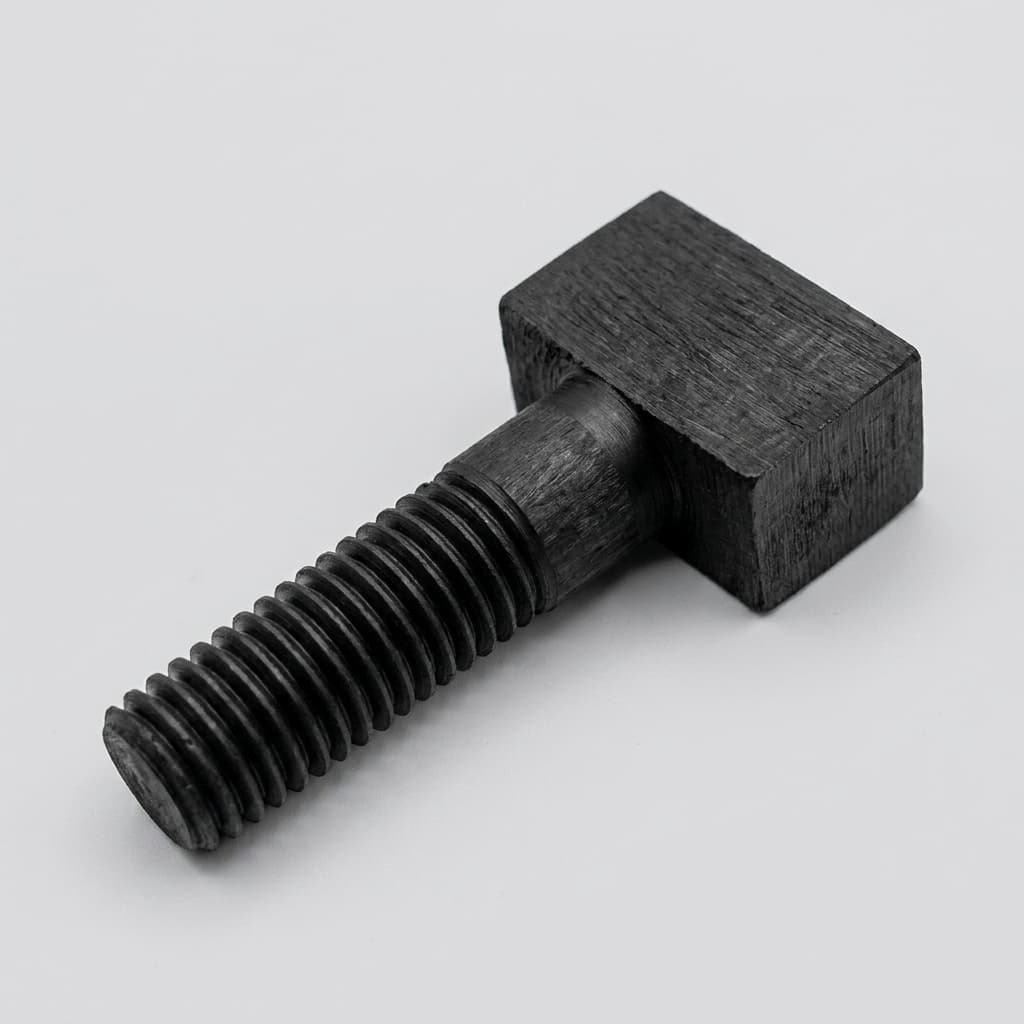
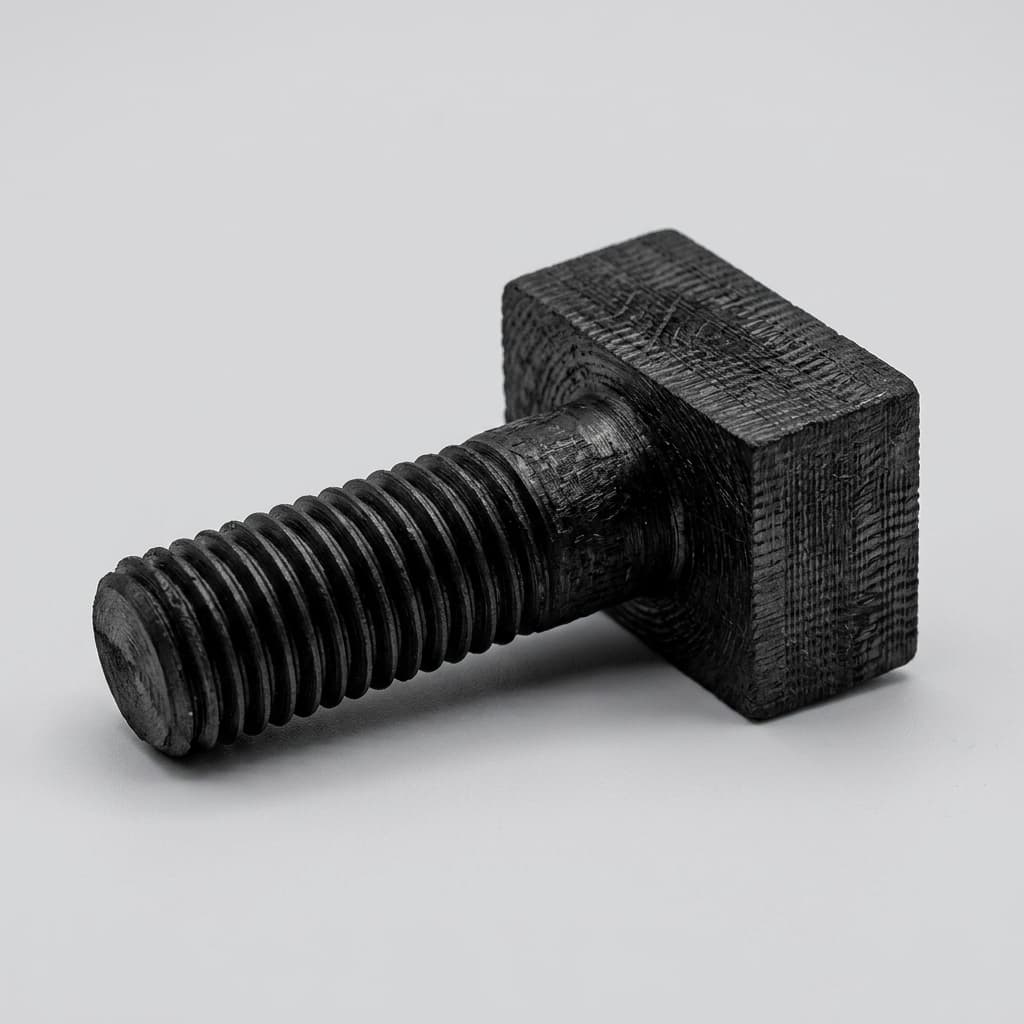
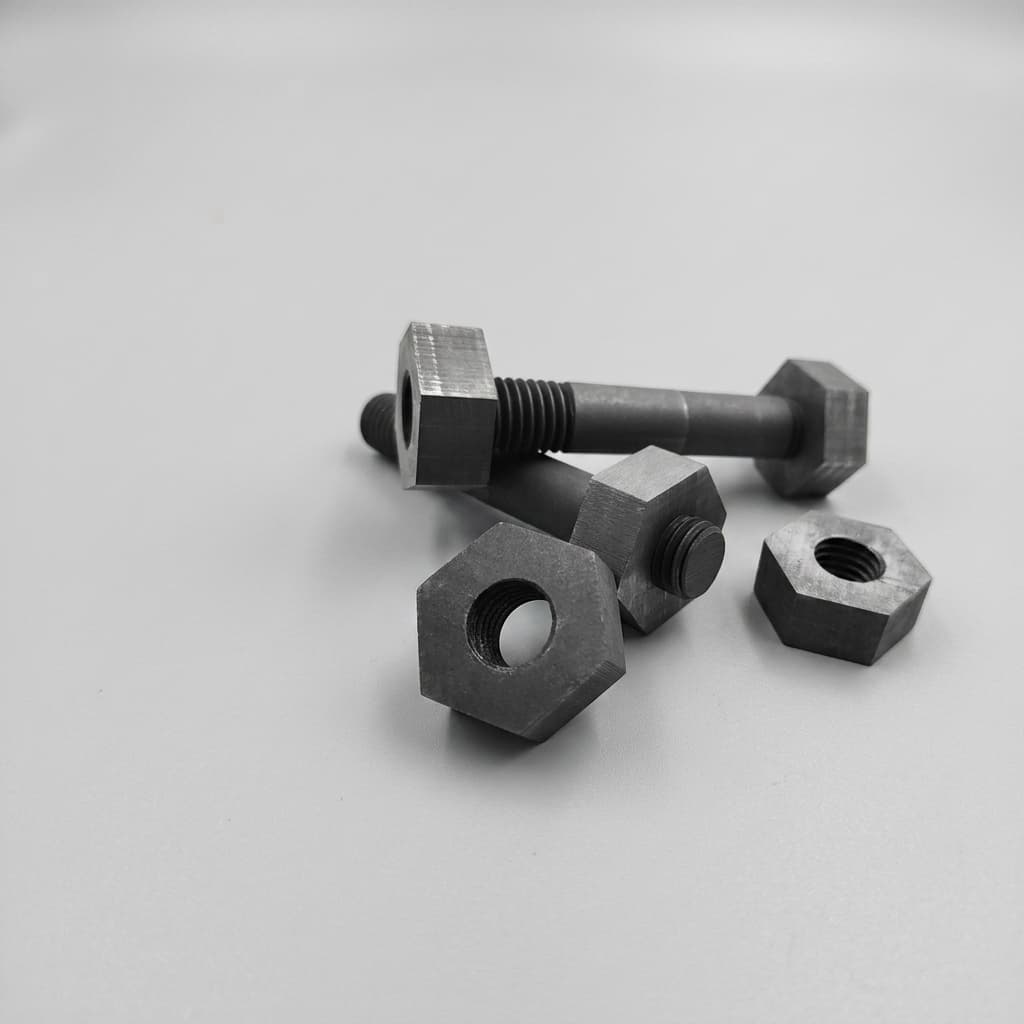
The densification process is lengthy; custom C/C blanks take 2-4 months.
Choose C/C composite when the part carries load, sees repeated thermal shock, needs threaded strength, or fails because graphite is too brittle.
Provide load, support spacing, maximum temperature, atmosphere, cycle count, thread standard, and the current failure mode if replacing another material.
C/C composite performs best in vacuum or inert gas. If oxygen exposure is expected, the application needs oxidation-risk review and possible protective treatment.
Inquiry Email
Include process, product type, drawing status, purity/coating target, dimensions, quantity forecast, operating conditions, and delivery date.
Instant Chat
WhatsApp Engineering Support
Best for quick drawing checks, process fit questions, and RFQ clarification.